
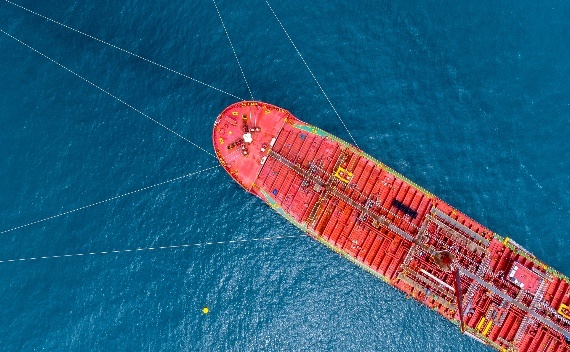
A vessel is at sea. The planned route is blocked by a force majeure event. The captain must make a decision that will cost someone a substantial sum. The UAE Maritime Commercial Law, issued under Federal Decree-Law No. (43) of 2023, provides the legal roadmap for this precise moment.
The Duty to Find a Safe Port
The law is clear regarding the captain’s obligation. If the ship cannot reach the agreed port for unloading, the captain must proceed to the nearest safe port. This is not a commercial choice. It is a legal duty. The law removes hesitation and provides a clear directive: safety first, then proceed accordingly.
This rule applies regardless of the cause of the blockage. The captain does not need to consult the charterer or wait for instructions. The duty is immediate and unambiguous.
The Financial Shift
The critical question is not whether the captain can divert. It is who bears the cost of transporting the cargo to its final destination.
Under the UAE Maritime Commercial Law, the shipowner initially bears the cost of transporting the cargo onwards from the alternative port to the originally agreed destination. On its face, this appears favourable to the cargo owner.
However, the law contains a decisive exception. If the ship could not reach the original port due to a force majeure event, the financial responsibility shifts entirely. In such circumstances, the charterer must bear the onward transport costs.
This is the legal turning point that determines liability. A diversion caused by an external crisis, a closed waterway, or a hazard rendering the original route impassable falls squarely within the force majeure exception. The carrier’s duty to divert remains clear, but the cost of completing the journey transfers to the owner of the goods.
What This Means in Practice
For a cargo owner, notice that a vessel has diverted to an alternative port is not merely an operational update. It is a financial event. In most force majeure scenarios, the cost of moving goods from the alternative port to the original destination will fall upon the cargo interest.
The carrier pays initially, but the charterer reimburses the cost. This distinction is critical for insurance planning, contract drafting, and dispute resolution. Understanding this legal structure before a crisis arises can prevent a costly surprise.
For further information or legal advice relating to maritime disputes, force majeure events, vessel diversion, and cargo liability under UAE law, please feel free to contact Wael Deyab at w.deyab@alsuwiaid.ae or Zeyad Elmorsi at z.elmorsi@alsuwaidi.ae